Newsflash: Kinderbeskerming: ’n Koninkryksverantwoordelikheid
May 29, 2026
Nuusflits: Veiligheid by die Kerk
June 11, 2026Newsflash: Kinderbeskerming: ’n Koninkryksverantwoordelikheid
May 29, 2026Nuusflits: Veiligheid by die Kerk
June 11, 2026
SAFETY AT CHURCH
Considering the recent attack on an AFM church in Cape Town, we wish to once again remind all assemblies of the importance of vigilance and appropriate safety measures. While incidents such as these remain the exception rather than the norm, there appears to be an increase in criminal activity targeting churches, including theft, break-ins, and robberies during services and church activities.
Churches can unfortunately be perceived as soft targets, sometimes even during broad daylight.
As believers, we do not live in fear, nor do we expect the worst. However, wisdom requires that we be prepared and take reasonable steps to protect our members, visitors, staff, and church property. Security experts often emphasize the importance of the “3 D’s” of security: Deter, Detect, and Delay.
We therefore encourage all assemblies to review their safety and security arrangements, paying particular attention to the following:
• Controlled access to church premises where practical. (Gates to be closed at a certain time after the start of services and activities)
• Trained ushers and volunteers who are alert to unusual behaviour.
• A clear emergency response plan for various scenarios.
• A trained security team or designated safety personnel during services and events.
• Secure handling and safeguarding of tithes and offerings.
• Good relationships with local security structures and neighbourhood watch initiatives.
• Adequate lighting in parking areas and walkways.
• Regular evacuation and emergency preparedness drills.
• Surveillance cameras where resources permit.
• Effective communication systems for safety personnel.
• Readily available medical supplies and emergency contact information.
• Appropriate cybersecurity measures to protect church records and finances.
• Proper screening of staff and volunteers, particularly those working with children.
It is important that these measures be balanced with the welcoming, warm, and open nature of our AFM churches.
Open communication regarding safety protocols can help create a sense of security without causing unnecessary anxiety.
Above all, let us continue to pray for God's protection over our congregations, leaders, members, visitors, and church properties,
while exercising wisdom and vigilance in all that we do.

UKUPHEPHA ESONTWENI
Ngemuva kokuhlaselwa kwakamuva kwebandla le-AFM eKapa, sithanda ukukhumbuza futhi onke amabandla ngokubaluleka kokuhlala siqaphile kanye nezinyathelo zokuphepha ezifanele. Nakuba izehlakalo ezinjengalezi kungezona ezejwayelekile, kubonakala izenzo zobugebengu ezibhekiswe emasontweni ziya ngokwanda, okuhlanganisa ukweba, ukugqekeza, nokugetshengwa ngezikhathi zezinkonzo noma ngezikhathi zemicimbi yamabandla.
Ngeshwa amasonto athathwa njengezindawo ezihlaseleka kalula, ngisho noma kungaba semini.
Njengamakholwa, kasibona abantu abahlala benokwesaba, futhi kasilindele izenzo zobugebengu ezimbi kakhulu. Nokho uma sihlakaniphile, kuyadingeka ukuthi sihlale sizilungiselele futhi sithathe izinyathelo ezifanele zokuvikela amalungu ethu, izivakashi, abasebenzi kanye nezimpahla zesonto. Ochwepheshe bezokuphepha bavame ukugcizelela ukubaluleka kwezinto ezintathu zokuqapha, eziwuku-Vimbela (Deter), ukuBona (Detect) kanye nokuBambezela izenzo zobugebengu. Ngolwimi lesiNgis lokhu kwaziwa ngokuthi “3 D’s” bokuphepha: I-Deter, Detect, kanye ne-Delay.
Ngakho-ke siqwashisa onke amabandla ukuthi abuyekeze izinhlelo zawo zokuphepha nokuvikeleka, ikakhulukazi ngokwenza lokhu okulandelayo:
• Ulawulo lokungena emagcekeni esonto olubonakalayo nolusebenzayo (Amasango azovalwa ngesikhathi esithile ngemuva kokuqala kwezinkonzo nemicimbi)
• Ukuqeqeshwa kwalabo abamukela abantu namavolontiya ukuze bakwazi ukubona ukuziphatha okungajwayelekile.
• Uhlelo olucacile lokubhekana nezimo eziphuthumayo ngokwahlukana kwazo.
• Ithimba lezokuphepha eliqeqeshiwe noma abasebenzi bezokuphepha abaqokelwe isikhathi sezinkonzo nemicimbi.
• Ukuphathwa nokuvikeleka kokweshumi neminikelo okuphephile.
• Ubudlelwano obuhle nezinhlaka zokuphepha zendawo kanye nezinhlelo zabaqaphi abaqaphe omakhelwane.
• Ukwenza ukuthi kube nokukhanya okwanele ezindaweni zokupaka nasezindleleni zokuhamba.
• Izindawo zokuphuma esontweni ezisezingeni elifanele uma kuvela izimo eziphuthumayo.
• Amakhamera okuqapha uma isimo sezimali sivuma.
• Izinhlelo ezikhaliphile zokuxhumana kwabasebenzi bezokuphepha.
• Izinsiza zokwelapha ezifinyeleleka kalula kanye nezinombolo zokuxhumana uma kuvela isimo esiphuthumayo.
• Izinhlelo zokuvikela imininingwane equkethwe ngama-khomputha ukuze kuqikelelwe ukuphepha kwamarekhodi esonto kanye nezimali.
• Ukuhlolwa okufanele kwabasebenzi namavolontiya, ikakhulukazi labo abasebenza nezingane.
Kubalulekile ukuthi lezi zinyathelo zihambisane nendlela yokwamukela, enemfudumalo, nokwamukeleka emabandleni ethu e-AFM.
Ukukhuluma ngendlela ecacile mayelana nezinhlelo zokuphepha kungasiza ukuthi abantu bazizwele baphephile ukuze kungabikho ukukhathazeka okungadingekile.
Ngaphezu kwakho konke lokhu, masiqhubeke sithandaze ukuthi uNkulunkulu avikele amabandla ethu, abaholi, amalungu, izivakashi, kanye nezimpahla zamabandla, futhi siqhubeke nokusebenzisa izinhlelo zokuqapha, ezisemgangathweni, kukho konke esikwenzayo.
XENOPHOBIC ATTACKS AND THREATS OF VIOLENCE
The recent xenophobic attacks and threats of further violence in South Africa are deeply concerning and call for a measured, compassionate, and constructive response from all sectors of society. It is important to acknowledge the very real frustrations experienced by many South Africans who face high levels of unemployment, poverty, inequality, and inadequate service delivery. Communities that struggle daily with a lack of housing, healthcare, education, safety, and economic opportunities often feel neglected and unheard, creating fertile ground for anger and resentment. These grievances are legitimate and deserve urgent attention.
At the same time, violence, intimidation, and the targeting of foreign nationals cannot be justified. While it is true that no country can function effectively without properly regulated immigration and that individuals should not reside in any country illegally, -the responsibility for managing migration, securing borders, processing documentation, and enforcing immigration laws rests primarily with government institutions. It is neither fair nor lawful for ordinary migrants, many of whom are themselves vulnerable, to become scapegoats for broader systemic failures.
We therefore call on all our members not to take the law into their own hands under any circumstances, and not to participate in or support any acts of violence, intimidation, vandalism, or the causing of injury to the person or property of any individual. The rule of law must prevail, and grievances must be addressed through lawful and peaceful means.
As South Africans seek solutions to pressing social and economic challenges, we must also remember the moral and spiritual values that have long shaped our society. Scripture repeatedly calls on believers to treat the foreigner with dignity, justice, and compassion. The Biblical injunction to welcome and care for the stranger reminds us that every person is created in the image of God and deserves to be treated with humanity and respect. Our response to these challenges must therefore be guided by both justice and compassion, rejecting violence while pursuing effective governance and social renewal.

UKUHLASELWA KWABOKUFIKA KANYE NEZINSONGO ZODLAME
Izigameko zakamuva zokuhlaselwa kwabokufika kanye nezinsongo zodlame eNingizimu Afrika zisikhathaza kakhulu futhi zifuna ukuthi sibhekane nazo ngendlela enobuchule, enozwelo, futhi eyakhayo kuzo zonke izinhlaka zomphakathi. Kubalulekile ukwamukela ukukhungatheka kwangempela okutholwa abantu abaningi baseNingizimu Afrika ababhekene nezinga eliphezulu lokuntuleka kwemisebenzi, ubumpofu, ukungalingani, kanye nokuntuleka kwezinsiza. Imiphakathi edonsa kanzima nsuku zonke ngenxa yokuntuleka kwezindlu, ukunakekeleka ngakwezempilo, imfundo, ukuphepha, namathuba ezomnotho izizwa inganakiwe futhi ingalalelwa, lokhu kudala isimo esibhebhethekisa intukuthelo nenzondo. Lezi zikhalo ezangempela futhi zidinga ukunakwa ngokushesha.
Noma kunjalo, ubudlova, ukwesatshiswa, kanye nokuhlaselwa kwabavela kwamanye amazwe akwamukelekile. Nakuba kuyiqiniso ukuthi alikho izwe elingasebenza ngempumelelo ngaphandle kokuba nemithetho elawula ukungena kwabavela kwamanye amazwe ukuvimbela ukuthi abantu bangahlali ngokungemthetho ezweni. kungumsebenzi kahulumeni ukulawula abavela kwamanye amazwe, ukuvikela imingcele, ukucubungula izincwadi zokungena ezweni, kanye nokubona ukuthi imithetho elawula ukuthutheleka kwabavela ngaphandle iyasebenza. Akulungile futhi akukho emthethweni ukusenzisa abokufika, abaningi kubo abasengozini, ukuba babe yimihlatshelo, lapho kwehluleka khona izinhlelo zikahulumeni.
Akulungile futhi akukho emthethweni ukusenzisa abokufika, abaningi kubo abasengozini, ukuba babe yimihlatshelo, lapho kwehluleka khona izinhlelo zikahulumeni.
Ngakho-ke sicela onke amalungu ethu ukuba angazithatheli umthetho ezandleni zawo ngaphansi kwanoma yiziphi izimo, futhi angazimbandakanyi noma asekele noma yiziphi izenzo zobudlova, ukusabisa, ukucekelwa phansi kwempahla, noma ukulimaza umuntu noma impahla yanoma yimuphi umuntu. Umthetho kumele uthathe indawo yawo, futhi izikhalo kumele zisingathwe ngendlela esemthethweni nenokuthula.
Njengoba abantu baseNingizimu Afrika befuna izixazululo ezimweni ezicindezelayo zezenhlalo nezomnotho, kufanele futhi sikhumbule imigomo-mpilo ngokwezimilo kanye nangokukomoya osekunesikhathi eside kulolonga imiphakathi yethu. ImiBhalo ikhuthaza amakholwa ngokuphindaphindiwe ukuthi aphathe abavela kwezinye izizwe ngesizotha, ubulungisa, nozwelo. Umyalelo weBhayibheli wokwamukela nokunakekela izihambi usikhumbuza ukuthi wonke umuntu udalwe ngomfanekiso kaNkulunkulu futhi ufanelwe ukuphathwa ngendlela enobuntu nenhlonipho. Ngakho-ke indlela esimele sibhekane ngayo nalezizinselele kufanele ibonise ubulungisa nozwelo, ukwenqaba udlame nentshiseko yokuba nombuso osebenza ngendlela ephumelelayo kanye nokuvuselelwa kwemiphakathi.
THERE IS ALWAYS A COST
by Thandanani Savhasa
Reflecting on 50 years of 16 June 1976, we not only celebrate what the young people of that era achieved in the streets of Soweto, but we also reflect on the cost. The reality of the phrase “blood, sweat and tears” in its literal form.
Cost is defined as the price paid for acquiring something. The youth of today should never forget that their voice, expression and inclusion came with a cost. A cost paid by a generation who would not allow themselves to be pushed and defined by segregation and a choice being made on their behalf. Similarly, to teach, protect and preserve this history that affords some young people the ability to choose any career of their choice, and work in any field and excel.
“The Spirit of the Lord is on me, because he has anointed me to preach good news to the poor. He has sent me to proclaim release to the captives and recovery of sight to the blind, to set free the oppressed,”- Luke 4:18 CSB
Across the road from young people who are thriving, are those who live in a vastly different society. In the text above, Jesus aligns the purpose of the in-dwelling Spirit upon Him not only to inward gain, but to an external assignment, directed to the poor, captive, blind and oppressed. It is the responsibility of all of us to allow the Spirit that makes us conscious of society and the state of God’s people to send us to every area of crisis; not only displaying His love, but intervention; sight, freedom, release and proclamation!
The youth of the AFM of SA, the Empowered Youth, are currently on their knees during this 21 Days of Prayer 5 - 25 June at 6am and 6pm seeking the intervention of the Lord for present day petitions. While our current conditions cannot be compared to 50 years ago, this generation continues to struggle with unemployment, scarce opportunities for small businesses, substance abuse, suicide and depression and many other ills. The bravery of the young people of 1976 will forever inspire the youth to stand for a better future and claim a brighter society. Jeremiah 29:11 promises that there is a hope and a future in the heart of God for us, we know it, because Jesus paid the price for our freedom. #EmpoweredYouth

KUHLALE KUNE-COST
Thandanani Savhasa
Uma sibheka iminyaka engama-50 yamhla ziyi-16 kuNhlangulana 1976, asigcini nje ngokubungaza lokho abantu abasha bangaleso sikhathi abakuzuza emigwaqweni yaseSoweto, kodwa sibuye sicabange ngezindleko. Iqiniso lenkulumo ethi “igazi, izithukuthuku nezinyembezi” ngendlela yayo engokoqobo.
Izindleko zichazwa njengenani elikhokhelwa ukuzuza okuthile. Intsha yanamuhla akufanele nanini ikhohlwe ukuthi izwi layo, ukukhuluma kwayo kanye nokuzibandakanya kwayo kufike nezindleko. Izindleko ezikhokhwa isizukulwane esingeke sivume ukuphushwa futhi sichazwe ngokuhlukaniswa kanye nokuzikhethela kwenzelwa sona. Ngokufanayo, ukufundisa, ukuvikela kanye nokugcina lo mlando onikeza intsha ethile ikhono lokukhetha noma yimuphi umsebenzi owuthandayo, futhi isebenze kunoma yimuphi umkhakha futhi iphumelele.
“UMoya weNkosi uphezu kwami, ngokuba ingigcobile ukuba ngishumayele ivangeli kwabampofu, ingithume ukuba ngimemezele ukukhululwa kwabathunjwa, nokubona kwabayizimpumputhe, ngikhulule abacindezelweyo.”— Luka 4:18.
Ngaphesheya komgwaqo kubantu abasha abachumayo, yilabo abaphila emphakathini ohluke kakhulu. Embhalweni ongenhla, uJesu uqondisa inhloso kaMoya ohlezi phezu Kwakhe hhayi nje ukuzuza kwangaphakathi, kodwa nomsebenzi wangaphandle, oqondiswe kwabampofu, abathunjiweyo, abayizimpumputhe nabacindezelwe. Kungumsebenzi wethu sonke ukuvumela uMoya osenza siqaphele umphakathi kanye nesimo sabantu bakaNkulunkulu ukuthi usithumele kuzo zonke izindawo ezinobunzima; hhayi kuphela ukukhombisa uthando Lwakhe, kodwa ukungenelela; ukubona, inkululeko, ukukhululwa kanye nesimemezelo!
Intsha ye-AFM yaseNingizimu Afrika, Intsha Enikwe Amandla, njengamanje iguqe ngamadolo kulo Mkhuleko Wezinsuku ezingama-21 kusukela mhla zi-5 - 25 Juni ngo-6am no-6pm icela ukungenelela kukaJehova mayelana nezicelo zanamuhla. Nakuba izimo zethu zamanje zingenakuqhathaniswa neminyaka engama-50 edlule, lesi sizukulwane sisaqhubeka nokuzabalaza nokuntuleka kwemisebenzi, ukusweleka kwamathuba amabhizinisi amancane, ukusetshenziswa kabi kwezidakamizwa, ukuzibulala kanye nokudangala nokunye okuningi. Ubuqhawe babantu abasha bonyaka we-1976 buyokhuthaza njalo intsha ukuthi imele ikusasa elingcono futhi ifune umphakathi oqhakazile. UJeremiya 29:11 uthembisa ukuthi kukhona ithemba nekusasa enhliziyweni kaNkulunkulu ngathi, siyakwazi, ngoba uJesu wakhokha inani lenkululeko yethu. #Intsha Enikwe Amandla
EQUIPPING AFM MEMBERS
FOR MINISTRY IMPACT
- Children’s Ministry 101
- Principles of Bible Study 101
- The Pastor’s Spouse 101

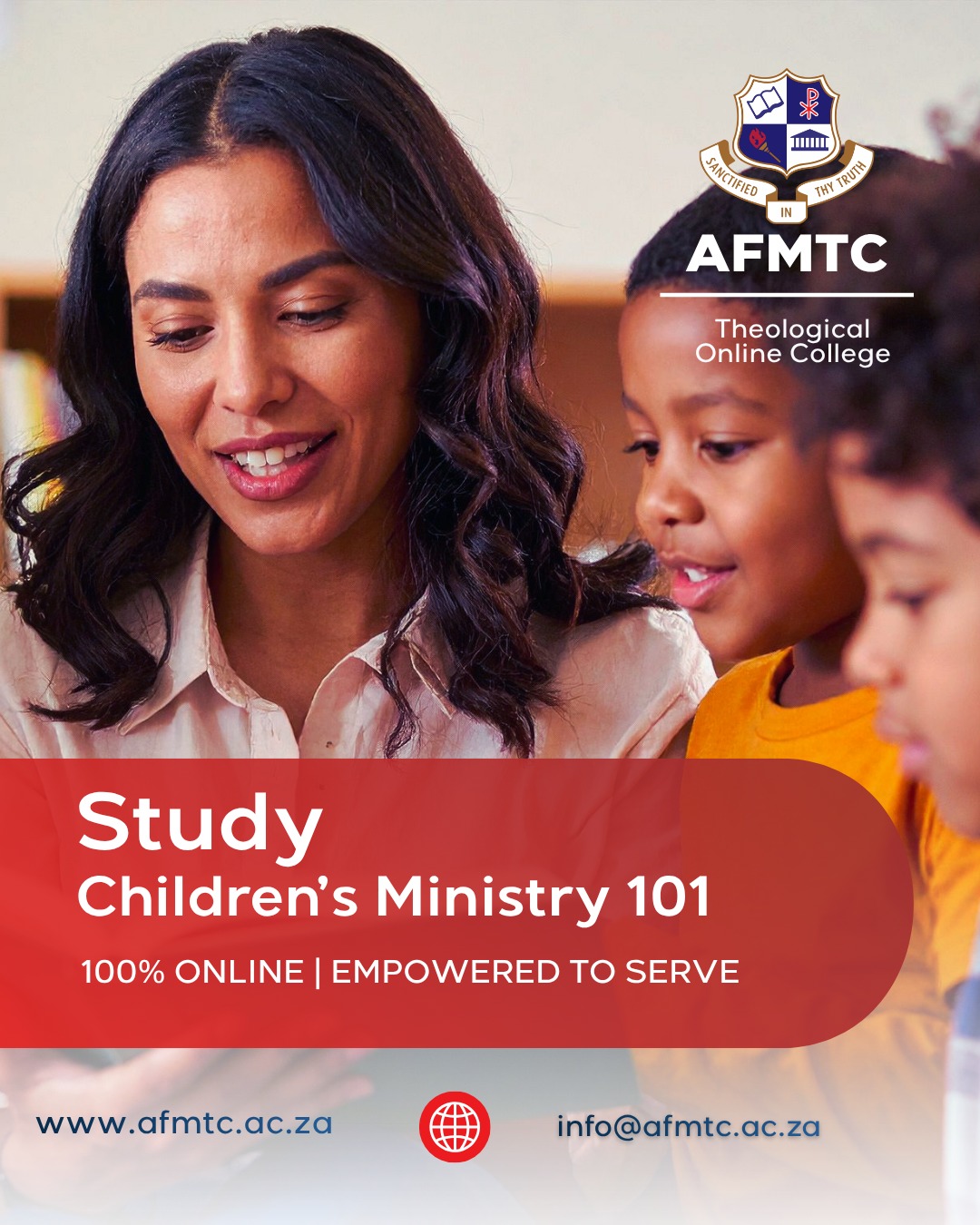
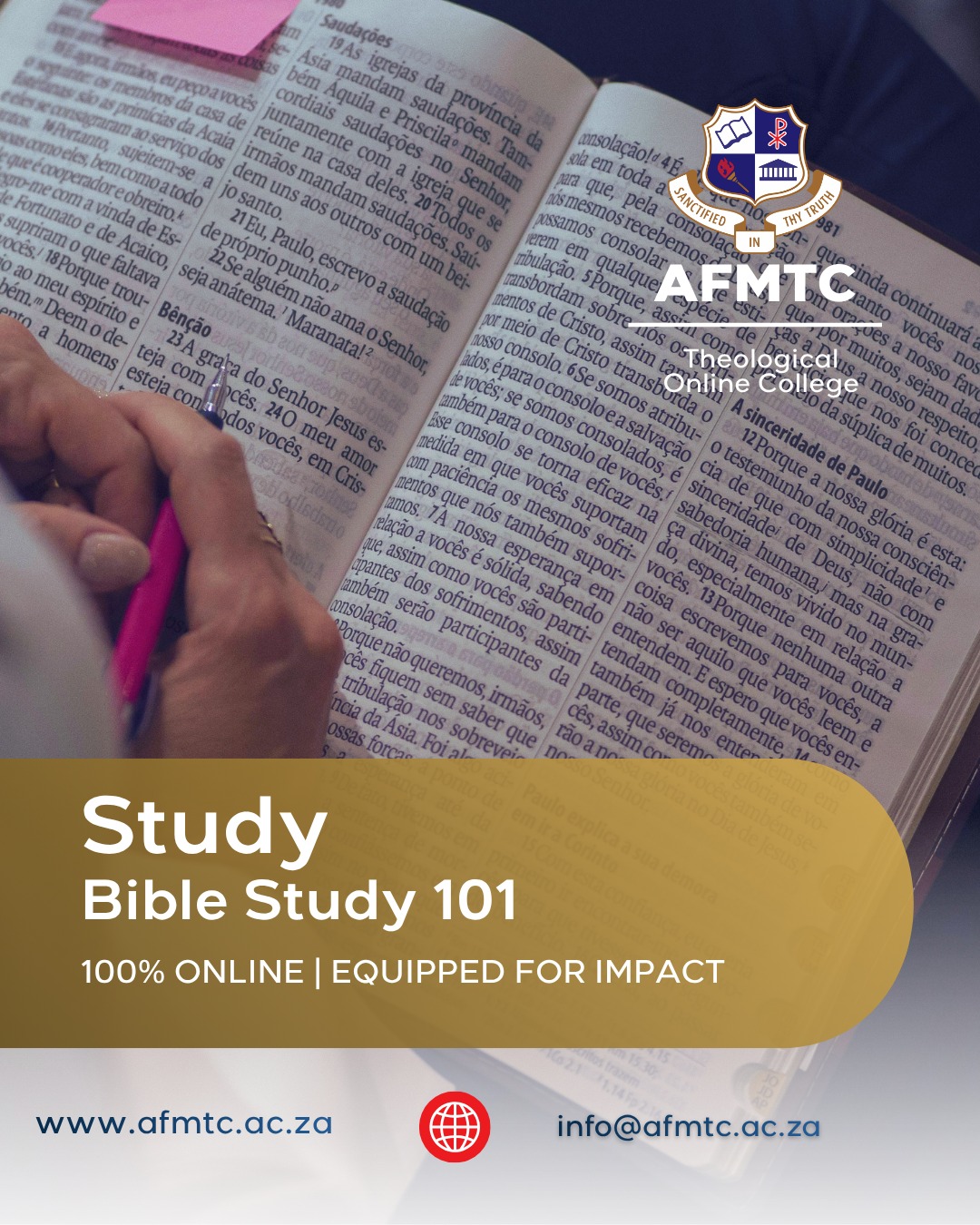

📖 The course duration is 3 months. | Starting on 20 July 2026.
📖 Language of instruction: English.
📖 Virtual Learning: A Computer & Internet Connection are required.
📖 Cost: R950 per participant.
📖 A Certified copy of the member’s ID (not older than 3 months) will be required.
The AFMTC Short Learning Programmes are non-accredited, affordable, and designed for the everyday Christian who desires to grow spiritually and practically. For more information and the link to register, visit the AFMTC website at www.afmtc.ac.za or reach out to our student support team at info@afmtc.ac.za.

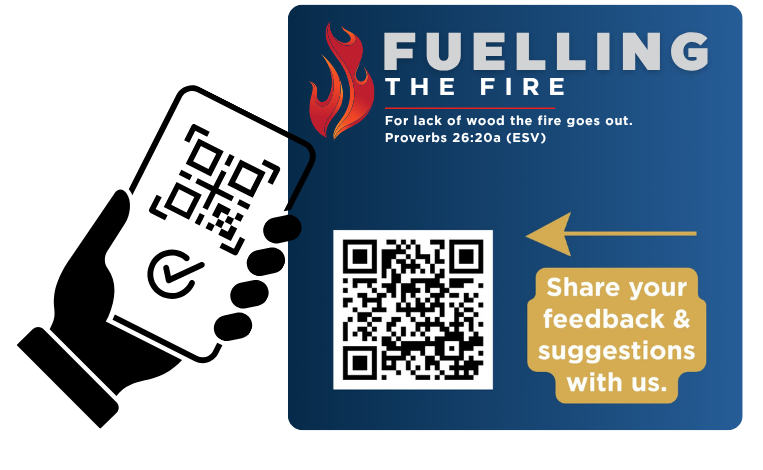
FUELLING THE FIRE 2026 – SHARE YOUR FEEDBACK AND SUGGESTIONS FOR 2027
Your feedback matters to us! As part of the NOB Empowerment visits, we invite every attendee to take a few moments to complete the survey by scanning the QR code provided. Your input helps us to better understand the needs of our churches and communities, and plays an important role in shaping our planning and empowerment efforts for 2027. Thank you for partnering with us as we grow, strengthen, and build together for the future.
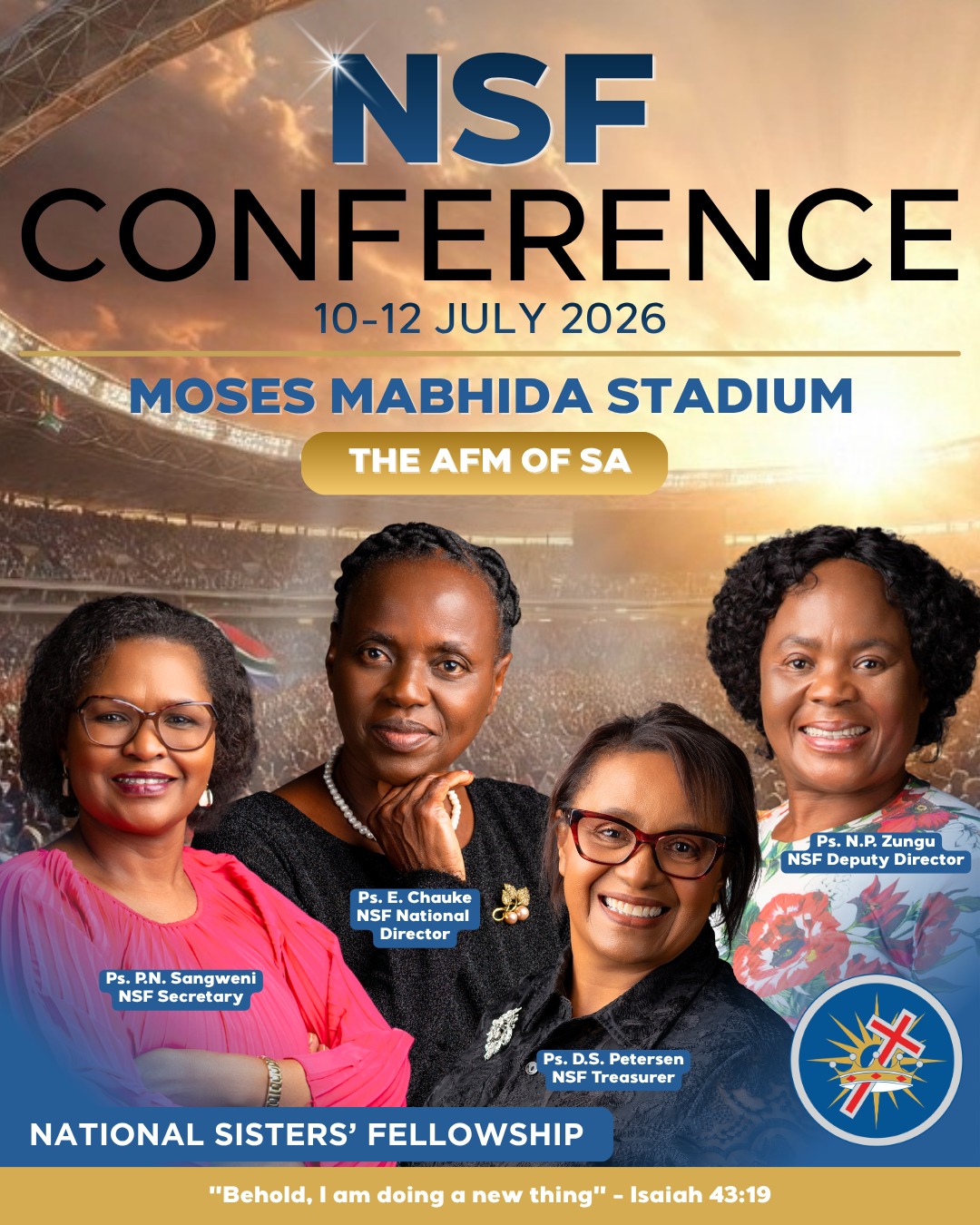
NEXT ON OUR JOURNEY


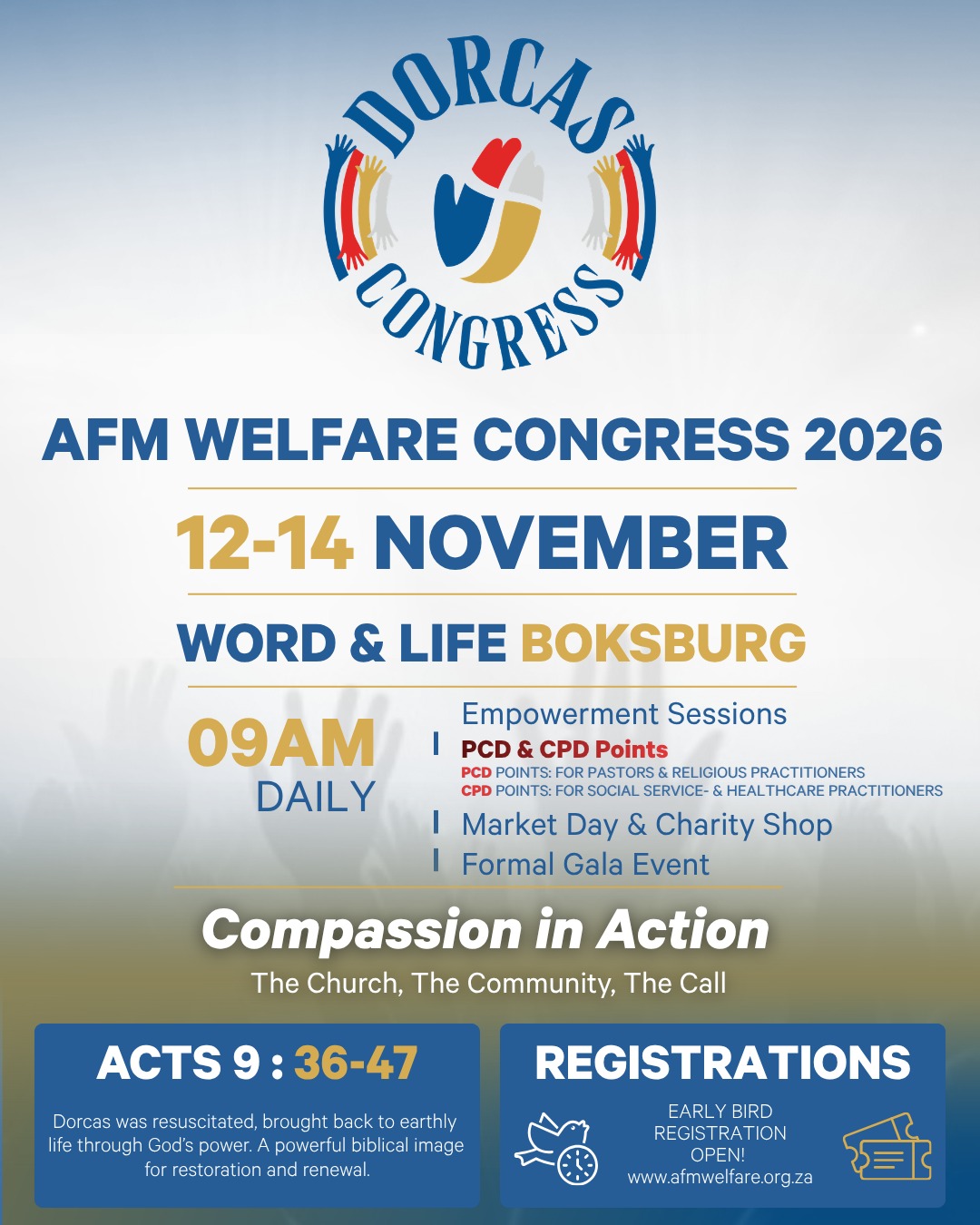

Friendly Regards! | Ozithobayo!
Henri Weideman